Sunday, April 2, 2023

Rohtang Pass – Gateway to Spiti Valley

Rohtang Pass – Snow Paradise and Gateway to Spiti Valley

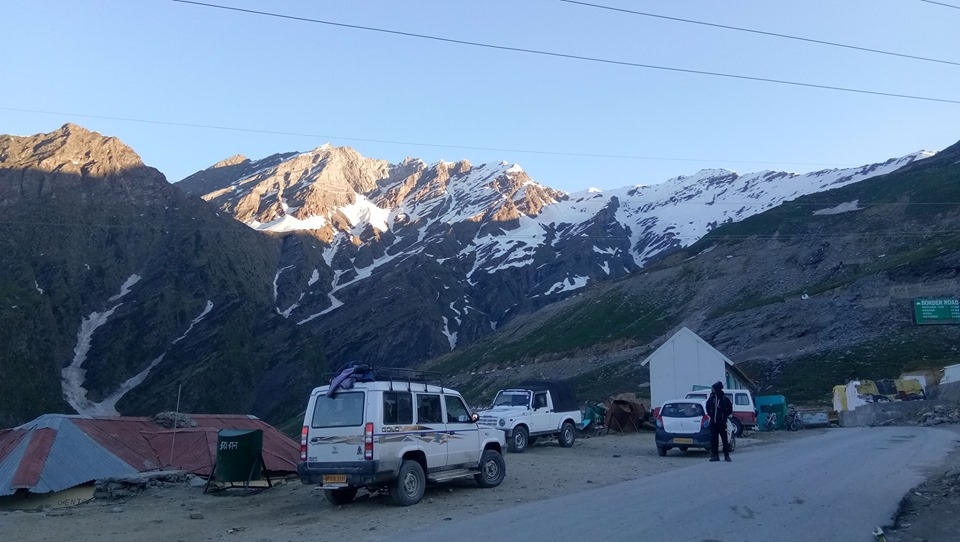
Perched high in the Pir Panjal Range of the Himalayas, Rohtang Pass is a dream come true for snow lovers, adventure enthusiasts, and mountain travelers. Located about 51 km from Manali in Himachal Pradesh, this scenic pass offers mesmerizing views of glaciers, peaks, and winding valleys — making it one of the most breathtaking drives in India.

A natural gateway between Kullu Valley and Lahaul-Spiti, Rohtang is where lush green hills give way to the stark beauty of the high Himalayas. The pass isn’t just a tourist hotspot — it’s a symbol of nature’s power and beauty, attracting thousands of visitors every summer.

Rohtang Pass, Manali

History & Significance

The word Rohtang roughly translates to “pile of corpses” — a name rooted in the region’s treacherous weather and difficult terrain that once claimed many lives during old trade journeys. Today, however, Rohtang Pass is a symbol of accessibility and adventure.

For centuries, it served as a crucial route connecting Kullu, Lahaul, and Spiti Valleys, as well as trade between India and Tibet. Modern infrastructure has transformed travel here, most notably with the construction of the Atal Tunnel, which now provides all-weather connectivity to Lahaul even when Rohtang is snowed in.

Rohtang has become more than just a crossing — it’s a destination where travelers can experience the Himalayas in their rawest form.

Location, Climate & Landscape

Rohtang Pass sits at an altitude of 3,978 meters (13,050 feet), forming a natural boundary between the lush Kullu Valley and the barren Lahaul-Spiti region.

The journey from Manali to Rohtang is a visual feast — from pine forests and waterfalls to snowy ridges and glacial streams. On clear days, you can see the Chandrabhaga and Pir Panjal ranges, and even distant peaks of Spiti Valley.

The climate is typically alpine — chilly even in summer, freezing in winter. Snow often lingers here well into May, turning the region into a snowy playground.

How to Reach Rohtang Pass

By Road

Rohtang is easily accessible from Manali, around 51 km away. Taxis, shared jeeps, or self-driven cars can take you up the winding mountain road, but you’ll need an official permit.

  • Route: Manali → Palchan → Kothi → Gulaba → Marhi → Rohtang Top

  • Travel Time: 2 to 3 hours (depending on traffic and weather)

  • Best Season: May to October (the pass remains closed in winter due to heavy snow)

By Air

The nearest airport is Bhuntar Airport (Kullu-Manali Airport), about 100 km from Rohtang. From there, taxis or buses can take you to Manali.

By Rail

The closest railway station is Joginder Nagar, around 165 km away, or Chandigarh, which is better connected to major Indian cities.

Permits & Entry Rules

Because Rohtang is an eco-sensitive zone, permits are mandatory for most vehicles traveling beyond Gulaba. These are issued daily and can be booked online through the Himachal Tourism portal.

  • Permit Fee: ₹550 + congestion charges (subject to change)

  • Documents Required: Vehicle registration, pollution certificate, and ID proof

  • Tip: Book permits in advance — daily limits apply, especially during peak season.

Alternatively, you can explore Atal Tunnel year-round, which bypasses Rohtang and connects Manali to Lahaul Valley even during winter.

Things to Do at Rohtang Pass

Rohtang Pass offers a variety of experiences for travelers of all kinds:

  • Snow Adventures: Try skiing, snowboarding, or snow-scooter rides during summer months.

  • Sightseeing: Enjoy 360° panoramic views of glaciers, rivers, and Himalayan peaks.

  • Photography: Capture dramatic landscapes, from snowfields to rugged cliffs.

  • Trekking: Short treks to Beas Kund, Rahala Falls, or Gulaba Meadows.

  • Cultural Insight: Visit nearby villages like Marhi or Kothi to experience local Himachali hospitality.

Best Time to Visit

  • Summer (May–October): The most popular time to visit. The snow melts gradually, but adventure activities remain open.

  • Monsoon (July–August): Expect landslides and heavy rainfall — travel only if weather permits.

  • Winter (November–April): The pass closes due to snowfall, but you can still access Atal Tunnel for Lahaul Valley exploration.

1-Day Rohtang Pass Itinerary

Early Morning (5:30 AM – 8:00 AM): Journey to the Snow Point

  • Start early from Manali to beat the traffic and enjoy clear skies.

  • Drive through Palchan and Kothi Village, soaking in pine forests and Beas River views.

  • Stop at Gulaba View Point for tea and the first panoramic glimpse of the Himalayas.

  • Capture the sunrise — perfect lighting for photography.

💡 Tip: Carry your pre-booked Rohtang Pass permit and start early, as entry is restricted after a certain time.

Morning (8:30 AM – 11:30 AM): Snow Adventures at Rohtang

  • Arrive at Rohtang Top (13,050 ft) — enjoy snow even during summer months!

  • Try snow biking, skiing, or sled rides with local guides.

  • Enjoy hot Maggi or momos from snow cafés — an experience in itself.

  • Take panoramic shots of Pir Panjal and Spiti mountain ranges.

Midday (12:00 PM – 2:30 PM): Scenic Drive & Lunch Stop

  • Begin your descent toward Marhi — a scenic stop for rest and lunch.

  • Enjoy local Himachali dishes like siddu, momos, or Rajma Chawal at roadside dhabas.

  • Optional detour: Visit the Atal Tunnel (only 15 km away) and emerge into the dry Lahaul landscape — an amazing contrast in geography.

Optional: Visit the Atal Tunnel North Portal — it’s only a short drive away and offers a striking contrast between the green Kullu side and the cold desert Lahaul side.

Afternoon (3:00 PM – 5:00 PM): Solang Valley Adventure

  • On your way back, stop at Solang Valley for paragliding, ziplining, or ropeway rides.

  • The valley offers sweeping views of glaciers and snow peaks — perfect for your social media reels and travel vlogs.

Evening (5:30 PM – 7:00 PM): Return to Manali

  • Drive back to Manali as the sun dips behind the peaks.

  • End the day with a cozy dinner in Old Manali — try local trout fish or Tibetan thukpa.

  • Relax and relive the memories of your snow-filled adventure!

Travel Tips

  • Carry warm clothes, gloves, and sunglasses — even in summer.

  • Book your Rohtang permit at least a day before your trip.

  • Keep cash handy — ATMs are scarce beyond Manali.

  • Drive carefully and follow traffic regulations.

  • Help preserve the environment — avoid littering and respect the fragile ecosystem. 

Top Photography Spots

  1. Gulaba View Point – Ideal for sunrise shots

  2. Rohtang Top – 360° snow panoramas

  3. Atal Tunnel North Portal – Unique mountain contrast

  4. Solang Valley – Paragliding and adventure views

  5. Kothi Bridge – Beas River flowing beneath dramatic cliffs 

Conclusion

Rohtang Pass isn’t just a travel stop — it’s a gateway to the Himalayas’ soul. From the thrill of snow adventures to the serenity of mountain landscapes, every turn here tells a story of nature’s grandeur.

With improved roads and the Atal Tunnel ensuring better access, Rohtang remains a must-visit destination for anyone exploring Himachal Pradesh. Whether you’re seeking adventure, photography, or simply a breath of pure mountain air, Rohtang Pass promises memories that last a lifetime.

Electric Bus Services To Rohtang Pass: 
 
 Experience the spectacular Rohtang Tunnel (Atal Tunnel) 
 

Visit Spiti Valley – India’s First Cold Desert Biosphere Reserve.


Friday, June 3, 2022

Electric Bus Services To Rohtang Pass

Rohtang Pass Located  at an altitude of 13,058 feet,near Manali is one of the most popular destinations in Himachal Pradesh. Known for its snow-clad peaks, glaciers, and panoramic Himalayan views, the pass attracts thousands of tourists every year. However, heavy diesel vehicle traffic was causing severe air pollution, melting snow faster, and damaging the fragile ecosystem. To address this, the Himachal Pradesh Tourism and HRTC (Himachal Road Transport Corporation) introduced Electric Bus Services to Rohtang Pass, making it the first eco-friendly transport system for this region. 
rohtang pass electric_bus 

Why Electric Buses to Rohtang Pass

  • 🌍 Eco-Friendly: Zero tailpipe emissions help preserve glaciers and the Himalayan environment.

  • 🏔 Sustainable Tourism: Balances tourist inflow with environmental conservation.

  • 🚍 Modern Comfort: Spacious seating, smooth ride, and large windows for scenic views.

  • 🔋 Government Initiative: Supported by the Himachal Government under green transport policies.

Route & Accessibility

  • Starting Point: Electric buses start from Manali Bus Stand.

  • Route: Manali → Gulaba → Marhi → Rohtang Pass.

  • Distance: Around 51 km from Manali to Rohtang Pass.

  • Travel Time: Approximately 2.5 – 3 hours depending on weather and road conditions.

Ticket Booking & Fare

  • 🎫 Booking Counters: HRTC ticket counters at Manali.

  • 💻 Online Booking: Available via HRTC Official Website 

Himachal’s electric bus 
 
Bus Rohtang Pass

Travel Tips

  • 🧥 Clothing: Carry heavy woolens, jackets, gloves, and caps even in summer – Rohtang remains chilly.

  • 🥾 Footwear: Waterproof shoes are recommended if you plan to walk on snow.

  • 📸 Photography: Carry a good camera or smartphone – the glaciers, waterfalls, and valleys offer stunning views.

  • Best Time to Visit: May to October (subject to snow clearance).

Benefits of Electric Bus Service

  • ❄️ Reduces vehicular pollution and black carbon deposits on glaciers.

  • 🌱 Helps sustain eco-tourism in Himachal Pradesh.

  • 👨‍👩‍👧 Affordable and accessible for all travelers.

  • ✅ Safe and regulated entry to Rohtang, avoiding traffic chaos.

FAQs

1. Do I need a permit to travel on the electric bus?
No special Rohtang permit is needed if you travel by electric bus. The permit requirement is for private vehicles.

2. How many buses operate daily?
The HRTC runs a limited number of electric buses daily, depending on weather conditions.

3. Can I book electric bus tickets online?
Yes, tickets can be booked via the HRTC website or at the Manali bus stand counters.

4. Is the bus service available in winter?
No, Rohtang remains closed during heavy snowfall (generally November–April).

5. Is food available at Rohtang Pass?
Yes, small eateries and stalls operate seasonally near Rohtang, but it’s better to carry snacks and water.

Conclusion

The Electric Bus Services to Rohtang Pass are not just a convenient mode of transport but also a sustainable initiative to protect the Himalayas. By choosing electric buses, tourists can enjoy the breathtaking beauty of Rohtang while contributing to eco-friendly tourism. This initiative ensures that the majestic snow-covered pass remains pristine for generations to come.  

HRTC bus at Keylong: 

HRTC bus at Keylong


Wednesday, May 4, 2022

Kullu-Manali & Shimla – The Crown Jewels of Himachal Pradesh

Kullu-Manali : Snowy Peaks, Colonial Charm, and Adventure in the Heart of the Himalayas. 

Himachal Pradesh is home to two of India’s most beloved hill destinations – Kullu-Manali and Shimla. Known for their snow-capped mountains, adventure sports, apple orchards, and charming colonial architecture, these towns attract visitors year-round. Whether you’re seeking romance, adventure, or a peaceful retreat, these hill stations offer it all.

Kullu-Manali

 This travel guide will help you plan the perfect itinerary, covering the best attractions, activities, and travel tips.

1. Kullu-Manali – The Adventure Paradise

a) Best Attractions in Kullu-Manali

  • Solang Valley – Known for skiing, paragliding, zorbing, and ropeways.

  • Rohtang Pass – Snow adventures and gateway to Lahaul-Spiti.

  • Beas River – Rafting and riverside camping.

  • Hadimba Temple – A 16th-century wooden temple surrounded by cedar forests.

  • Vashisht Hot Springs – Natural sulfur hot water springs. 

Hadimba Temple

b) Best Time to Visit

  • Summer (March–June) – Pleasant weather for sightseeing.

  • Winter (Dec–Feb) – For snow lovers and winter sports. 

    Kullu-Manali

2. Shimla – The Queen of Hills

a) Best Attractions in Shimla

  • The Ridge & Mall Road – Shopping, cafés, and colonial architecture.

  • Christ Church – The second oldest church in North India.

  • Jakhoo Temple – Dedicated to Lord Hanuman with panoramic views.

  • Kufri – Ski slopes and horse riding.

  • Green Valley – Scenic photography point with pine-covered hills. 

solang valley

b) Best Time to Visit

  • Summer (March–June) – Perfect for pleasant hill station vibes.

  • Winter (Dec–Jan) – Snowfall season and winter festivals.

3. Suggested 6-Day Itinerary

Day 1: Arrive in Shimla, evening walk at Mall Road & The Ridge.
Day 2: Shimla sightseeing – Kufri, Jakhoo Temple, Christ Church.
Day 3: Travel to Manali via Kullu, river rafting on the way.
Day 4: Manali sightseeing – Hadimba Temple, Vashisht Springs, Old Manali.
Day 5: Excursion to Solang Valley & Rohtang Pass (permit required).
Day 6: Shopping in Manali markets, departure.

4. How to Reach

  • By Air: Nearest airports – Jubbarhatti (Shimla), Bhuntar (Kullu).

  • By Train: Kalka-Shimla toy train for scenic views.

  • By Road: Well-connected by buses and taxis from Delhi & Chandigarh. 

5. Travel Tips

  • Book Rohtang Pass permits in advance.

  • Carry warm clothes year-round – nights can be cold.

  • Avoid heavy travel in monsoon (July–Sept) due to landslides. 

 FAQs on Kullu-Manali

Q1. What is Kullu-Manali famous for?
Kullu-Manali is famous for its scenic landscapes, adventure sports, and honeymoon getaways.

Q2. What is the best time to visit Kullu-Manali?
Summer (March–June) for adventure and sightseeing; Winter (Oct–Feb) for snow activities.

Q3. Is Kullu-Manali good for honeymooners?
Yes, it’s one of India’s top honeymoon destinations with romantic weather, cozy stays, and snow experiences.

Q4. How many days are enough for a Kullu-Manali trip?
4–6 days are ideal to cover major attractions and enjoy adventure sports.

Q5. What are must-try foods in Kullu-Manali?
Local specialties include Siddu, Babru, Dham, and fresh trout fish. 

Conclusion

Whether you are seeking romance, adventure, or relaxation, Kullu-Manali has something for everyone. From the snowy peaks of Rohtang Pass to the spiritual aura of Hidimba Temple and the thrilling adventures in Solang Valley, this Himalayan paradise promises unforgettable memories.

A trip to Kullu-Manali is not just a holiday—it’s an experience of nature, culture, and adventure rolled into one.

Experience the India’s first iconic glamping Hampta sethan

Visit Spiti Valley – India’s First Cold Desert Biosphere Reserve.

Experience the spectacular Rohtang Tunnel (Atal Tunnel) 

Have you visited Kullu-Manali & ShimlaShare your experience or questions below — your comment may get featured in our next post! 

  •  

Monday, December 28, 2020

Manali Igloo Hotel Stay | Unique Snow Stay Experience

Imagine waking up inside a cozy igloo surrounded by snow-covered mountains, sipping hot chocolate while the sun rises over the Himalayas. Welcome to the Manali Igloo Hotel Stay — India’s first igloo accommodation that combines adventure, comfort, and unforgettable winter magic.

This unique stay has become one of the most trending winter travel experiences in Himachal Pradesh, attracting adventure lovers and couples from across the country  

Manali Igloo Hotel Stay

What is the Manali Igloo Hotel Stay?

The Manali Igloo Stay is not your regular hotel — it’s an eco-friendly, hand-crafted igloo made of snow, located in the stunning village of Sethan near Manali.

Built every winter (December to February), the igloos offer:

  • 🛏️ Warm sleeping bags and insulation layers to keep you cozy

  • 🔥 Bonfire & local Himachali food

  • 🌨️ Scenic snow views and adventure activities

  • 🧊 A chance to live like a true snow explorer

This experience is perfect for those seeking something beyond conventional hotel stays.

Activities to Enjoy During Your Igloo Stay

Your igloo stay isn’t just about sleeping in the snow — it’s a complete winter adventure. Guests can indulge in:

  • ⛷️ Skiing & Snowboarding – Try gliding through fresh powder snow.

  • 🛷 Snow Trekking – Explore hidden trails in the white wonderland.

  • 🔥 Bonfire Nights – Warm up with music and starry skies.

  • 📸 Photography – Capture picture-perfect igloo moments.

  • Local Experiences – Interact with locals and enjoy Himachali delicacies.

Whether you’re an adrenaline junkie or a couple looking for a romantic winter getaway, Manali Igloo Stay offers something for everyone. 

Manali Igloo Stay 

Best Time to Visit

The igloo hotels in Manali are operational only during peak winter, when heavy snowfall allows for igloo construction.

  •  Best Months: Late December to February

  •  Temperature: -5°C to 5°C (Pack warm clothing!)

  •  Location: Sethan village, 13 km from Manali town

👉 Advance booking is recommended as slots fill up quickly during the season. 

How to Reach the Igloo Stay

By Air:

  • Nearest Airport – Kullu-Manali Airport (Bhuntar) (approx. 50 km)

By Train:

  • Nearest Railway Station – Joginder Nagar (approx. 160 km)

By Road:

  • Manali is well connected by road from Delhi, Chandigarh, and Shimla.

  • From Manali, guests are usually taken to Sethan via pre-arranged 4x4 vehicles

Nearby Attractions

  •  Solang Valley: Adventure sports, skiing, paragliding

  •  Rohtang Pass: Scenic snow landscapes (seasonal access)

  •  Hampta Pass: A paradise for trekkers

  •  Hidimba Temple: A cultural and historical landmark

  •  Old Manali: Cafés, local shops, and riverside walks

Price & Booking Information

  •  Average Cost: ₹5,000 – ₹8,000 per night (per person)

  •  Booking: Through official igloo stay websites, trusted travel platforms, or tour operators.

  •  Inclusions: Stay, meals, warm gear, and basic activities.

Note: Prices may vary depending on package and season.

Tips for a Comfortable Igloo Experience

  •  Wear layered warm clothing and thermal innerwear.

  •  Carry waterproof shoes for snow walks.

  •  Keep gloves, caps, and woollen socks handy.

  •  Don’t forget your camera or GoPro!

  •  Arrive early to acclimatize to the altitude.

Conclusion: A Magical Snow Stay in the Heart of Himachal

A Manali Igloo Hotel Stay is more than just accommodation — it’s a bucket-list winter adventure. Nestled in the tranquil Himalayan snow, these igloos offer a one-of-a-kind travel experience that blends nature, adventure, and romance.

Whether you’re planning a couple’s retreat, a group adventure, or a solo snow escape, this is one experience you’ll cherish forever.

👉 Pack your warmest clothes and get ready to sleep under the stars inside a snow igloo in Manali.

Explore more and accommodations of  Manali Igloo Stay:  

 Explore More into Rohtang Pass :


Monday, December 21, 2020

Nallamalai Jungle Camps – Wilderness Stay in the Heart of Andhra Pradesh

NALLAMALAI JUNGLE CAMPS: Experience Adventure, Wildlife, and Tranquility in the Nallamala Forests.  

Nallamalai Jungle Camps

If you’re looking to escape city life and reconnect with nature, Nallamalai Jungle Camps in the Nallamala Forest range of Andhra Pradesh offer the perfect retreat. Surrounded by lush greenery, rolling hills, and rich wildlife, these eco-friendly camps are a gateway to one of South India’s most beautiful forest landscapes. Thre are 2 Camps : 1)Nallamala Jungle Camp- Bairluty and 2) Nallamala Jungle Camp - Pacherla.

Located close to Srisailam, the camps are run in collaboration with the Andhra Pradesh Forest Department and eco-tourism initiatives, ensuring a balance between adventure and sustainability.

1. Highlights of Nallamalai Jungle Camps

  • Stay in Nature – Comfortable cottages or tents surrounded by thick forests. 

      NALLAMALAI JUNGLE CAMPS  

  • Wildlife Safaris – Spot deer, wild boar, peacocks and leopard.

     NALLAMALAI JUNGLE CAMPS  

  • Nature Walks & Trekking – Guided forest walks to discover hidden streams and viewpoints.

      NALLAMALAI JUNGLE CAMPS

  • Birdwatching – The area is home to a variety of colorful bird species.

      NALLAMALAI JUNGLE CAMPS 

  • Bonfire Evenings – Share stories under a star-lit sky.

     NALLAMALAI JUNGLE CAMPS

2. Activities You Can Enjoy

  • Jeep Safari into the Nallamala Tiger Reserve.

  • Visit to Srisailam Dam for breathtaking views.

  • Boating in Krishna River.

  • Cultural Performances showcasing tribal traditions.

3. Best Time to Visit

  • October to March – Pleasant weather, great for trekking and wildlife spotting.

  • Monsoons (July–September) offer lush greenery but limited safari access.

4. How to Reach

  • By Air: Nearest airport – Hyderabad (~230 km) or Vijayawada (~280 km).

  • By Train: Nearest railway station – Markapur Road (~85 km).

  • By Road: Well-connected by road from Hyderabad, Kurnool, and Vijayawada.

5. Suggested Itinerary

Day 1:

  • Arrive at the camp, check-in.

  • Afternoon nature walk.

  • Evening campfire and cultural performance.

Day 2:

  • Early morning jeep safari.

  • Visit nearby waterfalls or Srisailam Temple.

  • Evening boating and sunset photography.

Day 3:

  • Relax in the camp, birdwatching, and departure.

6. Nearby Attractions Around Nallamalai Jungle Camps

A stay at Nallamalai Jungle Camps is not just about the forest—it’s a gateway to many hidden gems of Andhra Pradesh. Here are some must-visit attractions nearby:

🛕 1. Srisailam Temple (Approx. 25 km)

One of the 12 Jyotirlingas in India, this ancient temple dedicated to Lord Mallikarjuna is a major pilgrimage site surrounded by scenic hills and the Krishna River.

🌊 2. Srisailam Dam (Approx. 30 km)

An engineering marvel and a popular tourist spot, the dam offers breathtaking views of the river valley. The surrounding greenery makes it a perfect photo stop.

🐅 3. Nagarjunsagar-Srisailam Tiger Reserve (Nearby)

Spread across the Nallamala Hills, this is one of India’s largest tiger reserves. It’s home to rich wildlife including tigers, leopards, deer, and diverse bird species—ideal for wildlife safaris and nature walks.

🏞️ 4. Akkamahadevi Caves (Approx. 35 km)

A mystical cave complex with a natural Shiva Linga inside, reachable by a scenic boat ride on the Krishna River—an experience for both adventurers and spiritual seekers.

🏔️ 5. Nallamala Hills Viewpoints (Nearby)

Dotted with viewpoints offering panoramic views of dense forests, river valleys, and hillscapes. Perfect for photography and peaceful sunset watching. 

7. Travel Tips

  • Carry insect repellent and comfortable trekking shoes.

  • Mobile signal is limited – enjoy the digital detox.

  • Book in advance during peak season

8.Conclusion: 

Nallamalai Jungle Camps is more than just a stay—it’s an immersive nature experience where the rhythm of the wild becomes your escape from the city. Surrounded by untamed forests, ancient temples, and rich biodiversity, this eco-friendly getaway offers the perfect balance of adventure, spirituality, and serenity.

Whether you’re a wildlife enthusiast, trekker, nature lover, or spiritual traveler, Nallamalai Jungle Camps promises an unforgettable journey into the heart of Andhra Pradesh’s wilderness.

 For More Details for online booking and jungle safari : Nallamalaijunglecamps 


Saturday, June 22, 2019

First Batch of Kailash Mansarovar Yatra Pilgrims Reaches Tibet via Lipulekh Pass

After a multi-year hiatus caused by the COVID-19 pandemic and border tensions, the revered Kailash Mansarovar Yatra has resumed. The first batch of pilgrims for 2025 successfully crossed into Tibet via the Lipulekh Pass in Uttarakhand, marking a momentous occasion for devotees and reinforcing India-China cooperation on pilgrimage access. 

Kailash Mansarovar Yatra

Key Highlights of Kailash Mansarovar Yatra

ItemDetail
Number of Pilgrims in First Batch45 pilgrims entered Tibet via Lipulekh Pass.
Route & PassLipulekh Pass, Uttarakhand. Altitude ~17,000 ft at border.
AcclimatizationThe group stayed at Nabhidang (above Gunji) to acclimatize.
Places to Visit in TibetTaklakot, Darchen, Dera Phuk, Junghui Poo, and Kugu. Circumambulation of Mount Kailash and Lake Manasarovar included.
Return JourneyThe first batch planned return via Lipulekh Pass on July 18, 2025.
Total Pilgrims for 2025 Yatra via LipulekhAbout 250 pilgrims in 5 batches. First batch (45), second (48), others in queue.

Significance & Background

  • Resumption after 5 years: The pilgrimage had been suspended since 2019 owing to the pandemic and related border constraints.

  • Spiritual importance: Mount Kailash and Lake Manasarovar are sacred sites in Hinduism, Buddhism, Jainism, and Bon. A pilgrimage here is considered deeply transformative for many devotees.

  • Route via Lipulekh Pass: This route holds geographical and spiritual importance, connecting the Uttarakhand border through high-altitude terrain, and requires thorough preparation and acclimatization.

Experience of the Pilgrims

Pilgrims in the first batch underwent medical check-ups at Gunji to ensure fitness for the high-altitude journey. The tour included rest at intermediate camps, acclimatization periods, prayers, darshan (viewing) of Mount Kailash, rituals at Lake Manasarovar, and the opportunity for Parikrama (circumambulation) around Kailash.

Challenges & Preparations

  • High altitude and terrain: Passes like Lipulekh are at elevations exceeding 17,000 ft. Acclimatization is vital.

  • Weather & road conditions: Landslides or rains can disrupt the route. Authorities continuously monitor and maintain access routes.

  • Health & safety: Medical teams accompany the pilgrims; prior health screening is mandatory.

  • Permissions & logistics: Permits (Tibet travel permit, Kailash Yatra permit), visa formalities, route clearances, etc., are organized via official bodies like Kumaon Mandal Vikas Nigam (KMVN) and state/base-camp authorities.

Travel Itinerary (First Batch)

Here’s a rough outline of the itinerary for the first batch that entered Tibet in 2025:

  1. Depart from base camp in Dharchula / Delhi, travel by road to border-region camps.

  2. Stay in Gunji → Nabhidang (for acclimatization).

  3. Cross the Lipulekh Pass into Tibet.

  4. Halt at Taklakot, Darchen, Dera Phuk, Junghui Poo, and Kugu. Visit and perform rituals at Lake Manasarovar; view Mount Kailash.

  5. Return journey starts July 18 via Lipulekh back to India. 

Significance Beyond Pilgrimage

  • Symbolic of improved access and cooperation on sacred tourism between India and China.

  • Revival helps many devotees who had been waiting for this journey to resume.

  • Boost for local economies along yatra routes (accommodation, food, transport).

  • Strengthens cultural and religious bonds, fostering peace and understanding.

Tips for Prospective Pilgrims

  • Get a comprehensive health check before the journey.

  • Wear proper gear for cold, high-altitude weather.

  • Stay hydrated and follow acclimatization schedules seriously.

  • Ensure all permit and visa formalities are completed well in advance.

  • Pack minimally but include essentials: medicines, warm clothing, trekking shoes, sun protection.

  • Travel via reliable agencies or pilgrim nodal bodies for safety and guidance.

FAQ & PAA

Q. When did the Kailash Mansarovar Yatra resume?
It resumed in 2025 after a gap of about five years.

Q. How many pilgrims are allowed via Lipulekh Pass this year?
About 250 pilgrims are scheduled to use the Lipulekh route in five batches.

Q. What are the major stops after entering Tibet?
Taklakot, Darchen, Dera Phuk, Junghui Poo, and Kugu are some key stops. Darshan of Mount Kailash and bath in Lake Manasarovar are central rituals.

Q. What is the altitude of Lipulekh Pass?
Approximately 17,000–17,500 feet, and requires acclimatization.

Conclusion

The successful entry of the first group of pilgrims into Tibet via Lipulekh Pass for the 2025 Kailash Mansarovar Yatra marks a deeply spiritual and historic moment. It is a testament to perseverance, the sacred connection devotees share with Mount Kailash and Lake Mansarovar, and the care taken by authorities to revive this ancient pilgrimage safely after years of interruption. For many, this journey represents not just faith, but hope — a promise that sacred paths, however rugged, will once again welcome seekers from every corner.